One day, you’ll find yourself talking to your cell phone or smart speaker, asking it to look up information, make a purchase, or simply remind you to water the plants. You won’t be surprised.
But if you think about it, just a few years ago, this scenario seemed like science fiction. Today, the voice in artificial intelligence is changing not only how we use technology, but also how we think, relate, and make decisions.
Why the voice and not just the text?
Voice is our “factory language”. We learn to speak long before we learn to type, and let’s face it, no one has coffee with a friend by exchanging typed notes. Talking to an AI turns a cold, button-and-screen relationship into a quasi-human chat.
Why? Because the voice adds nuances: tone, rhythm, emotion and even silences. These are details that, even if the machine does not feel them, can make us feel heard.
Think of ordering a pizza by phone: you chat, correct the order, and listen to recommendations. Do it via text in an app, and everything becomes much more rigid and mechanical.
An AI with voice can bring the experience closer to the first option: closer, more natural, more human.
Real benefits of voice in AI
There are many advantages to using voice in our interactions with artificial intelligence. For example:
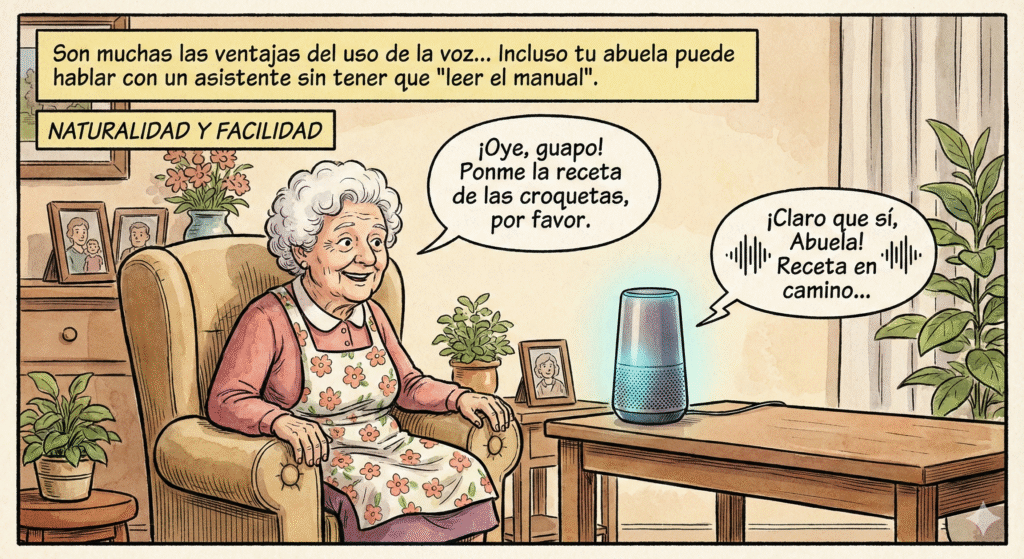
- Natural and easy: There is no learning curve. Even your grandmother can talk to an assistant without having to “read the manual”. This makes the technology universal.
- Speed and fluency: We speak at about 150 words per minute; typing, hopefully, at 40. The difference is abysmal, more than three times faster. Result? Faster queries, commands, and actions, without interrupting what you’re doing.
- Accessibility: Voice breaks down barriers. People with visual impairment, reduced mobility, or simply with their hands full (cooking, driving…) can easily access technology. AI “without hands and eyes” is more inclusive.
- Emotional connection: The voice allows the AI to create a personality: close, professional, friendly, serious… This not only helps to build user loyalty, but can also be therapeutic in emotional support assistants or companionship for the elderly.
How voice is changing the dynamics of communication (and thought)
Talking to an AI is not only faster; it changes the way we think and decide.
When we write, we tend to structure ideas, correct mistakes, and rethink what we say. Talking, on the other hand, is immediate and spontaneous. This speeds up interaction but can reduce the depth of our reasoning.
What does it imply?
We gain agility, but we may lose reflection.
Technology disappears: it ceases to be a device to which we “write” and becomes an everyday presence, almost an invisible companion.
We change our habits and expectations: we expect instant, personalized and friendly responses.
Case studies on the use of voice in AI
Voice will be used in most of our interactions with artificial intelligence in the near future. Some uses of it could be:
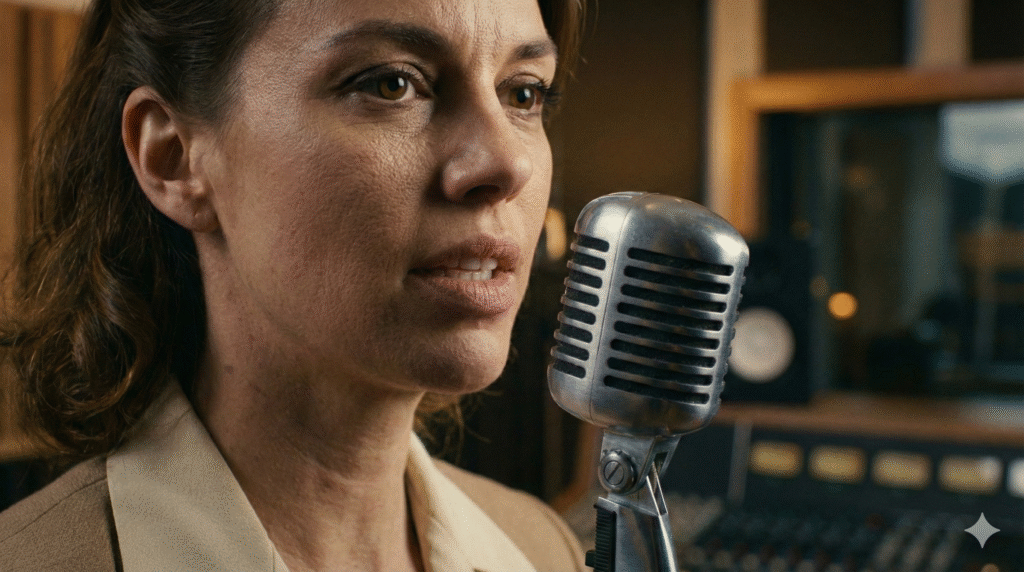
Customer service: assistants that solve problems in seconds, with a warm and decisive voice.
Automotive: change music, request routes, without letting go of the steering wheel.
Health: medication reminders and personalized follow-up, including emotional support.
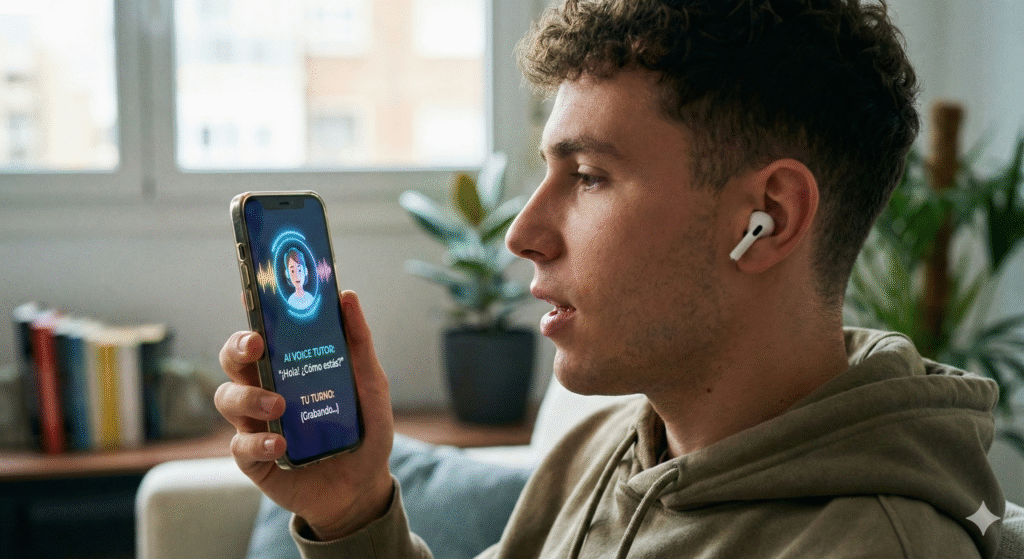
Education: practicing languages, resolving doubts or receiving explanations “out loud”, as if a tutor were speaking to us.
Challenges and risks: what you should keep an eye on
But the use of the voice also involves certain aspects that must be taken into account.
- Anthropomorphism and dependence: The human voice deceives us: it makes us attribute emotions and consciousness where there are none. The danger is in thinking that an AI “understands” and “feels” like us. This can lead to overconfidence or even emotional dependence, especially in vulnerable people.
- Privacy and data exposure: Voice reveals more than we think: emotions, moods and even sensitive data, without us realizing it. In addition, many devices listen in the background. This poses major privacy challenges: accidental recordings, leaks, or the use of our voices to train algorithms. As a piece of advice, always demand control over your data, review permissions, and opt, where possible, for solutions that process voice locally and not in the cloud.
- Voice manipulation and deepfakes: A convincing voice can persuade or manipulate you without you even realizing it. Worse, today it is possible to clone voices with just a few seconds of recording, creating “fake family members” or phone scams. This is something I covered in my article “Artificial Intelligence Scams: A Growing Danger You Should Know About”. In this regard, it is important that you keep an eye out for any suspicious calls that “sound” too real….
How can companies leverage (and protect themselves) with voice in AI?
This challenge also applies to companies. Some precautions they should take are:
Design clear and transparent personalities:: Always make it clear that the user is talking to an AI, not a human, even if the voice is natural.
Ensure privacy by design: explain how recordings are used, provide pause and delete buttons and ensure compliance with regulations such as GDPR.
Train in linguistic diversity:: Not only neutral Spanish; try accents and real situations to avoid errors and biases.
Combine voice with other interfaces:: In critical actions, always offer double confirmation (voice + visual/text).
Continually audit conversation flows:: Make sure there is no manipulation or subliminal persuasion. Measure satisfaction, errors and use cases.
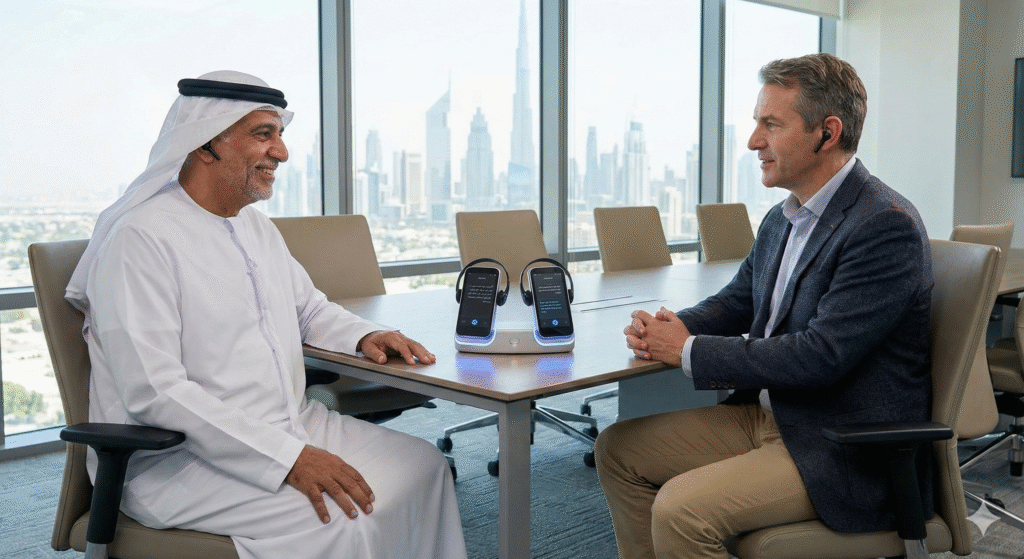
Voice in artificial intelligence is turning technology from being just a tool to a true ally. It makes our lives easier, breaks down barriers and brings us closer to a more natural communication. But, and here is the key, it will only be an advantage if we use it judiciously, without losing sight of the risks and always defending our privacy and autonomy.
How about you? Do you use voice assistants in your daily life? What do you find most useful? Do you feel uneasy when a machine talks to you “as if it were your friend”?
Leave me your comments and we can discuss it together.
Good week1